

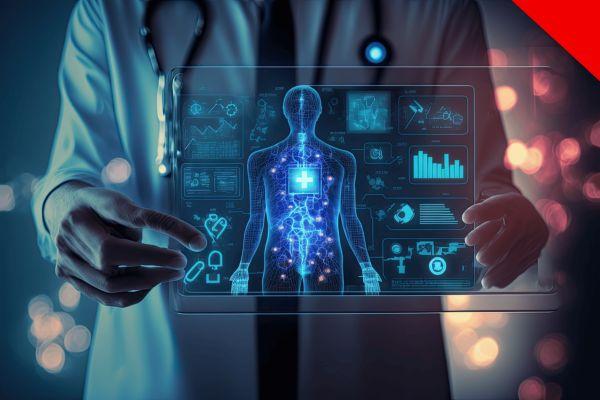
AI in Healthcare: Transforming Diagnosis and Patient Care
Artificial Intelligence is rapidly transforming the healthcare industry by enabling faster, more accurate, and data-driven medical decisions. Traditional healthcare systems often rely heavily on manual processes and fragmented data, which can lead to delays in diagnosis and inefficiencies in treatment. AI introduces the ability to analyze vast amounts of medical data in real time, identifying patterns and insights that are beyond human capability. This allows healthcare providers to move from reactive care to proactive and predictive healthcare models. As digital ecosystems evolve, AI becomes a critical layer that enhances decision-making, improves patient outcomes, and reduces overall system inefficiencies.
In a globally connected healthcare platform like DiamondMedicalCare, AI plays a central role in integrating diagnostics, patient history, and clinical expertise into one intelligent system. It enables doctors to access structured insights rather than raw data, making consultations more effective and accurate. Patients benefit from faster responses, personalized recommendations, and improved continuity of care. By embedding AI into the healthcare workflow, the system becomes more adaptive, scalable, and capable of supporting global healthcare needs efficiently.
AI-Powered Diagnosis and Early Detection
One of the most impactful applications of AI in healthcare is in diagnosis and early disease detection. AI algorithms can analyze medical images, lab reports, and patient data with high precision, often identifying conditions at an earlier stage than traditional methods. This early detection is critical for diseases such as cancer, cardiovascular conditions, and neurological disorders, where timely intervention can significantly improve outcomes. AI systems continuously learn from new data, improving their accuracy and reliability over time.
By integrating AI into diagnostic workflows, healthcare providers can reduce human error and enhance decision-making. Doctors are supported with data-driven insights, allowing them to focus more on patient care rather than data analysis. This combination of human expertise and machine intelligence leads to more accurate diagnoses, faster treatment initiation, and improved patient confidence in the healthcare system.

AI enhances human intelligence in healthcare, enabling faster decisions and more accurate outcomes.
Personalized Treatment and Predictive Care
AI enables personalized treatment by analyzing individual patient data, including medical history, genetics, lifestyle, and environmental factors. This allows healthcare providers to design treatment plans that are tailored to each patient rather than relying on generalized approaches. Personalized care improves effectiveness, reduces side effects, and enhances patient satisfaction. It also supports better long-term health management by adapting treatments as patient conditions evolve.
Predictive analytics powered by AI allows healthcare systems to anticipate health risks before they become critical. By identifying patterns and trends in patient data, AI can predict potential complications and recommend preventive measures. This shifts healthcare from reactive treatment to proactive care, reducing hospitalizations and improving overall health outcomes.
AI in Telemedicine and Remote Care
Telemedicine becomes significantly more powerful when combined with AI. AI can assist in triaging patients, analyzing symptoms, and recommending the appropriate level of care before a consultation even begins. This ensures that patients are directed to the right specialists quickly and efficiently. It also reduces the burden on healthcare providers by streamlining patient flow and prioritizing urgent cases.
In remote care settings, AI-enabled monitoring systems can track patient health in real time using wearable devices and connected diagnostics. This allows doctors to monitor conditions continuously and intervene when necessary. Such systems are particularly valuable for managing chronic diseases and ensuring consistent care for patients in remote or underserved regions.
Data Integration and Intelligent Health Systems
AI plays a crucial role in integrating and structuring healthcare data from multiple sources. Medical records, diagnostic reports, and consultation notes are often stored in different formats, making it difficult to analyze them collectively. AI systems can standardize and organize this data, creating a unified view of the patient’s health. This enables better decision-making and improves coordination between healthcare providers.
Intelligent health systems powered by AI can also provide real-time recommendations, alerts, and insights to both patients and doctors. This enhances the overall efficiency of the healthcare system and ensures that critical information is not overlooked. By combining data integration with AI-driven insights, healthcare becomes more structured, responsive, and effective.
Ethical Considerations and Data Security
While AI offers significant benefits, it also raises important ethical and security concerns. Patient data must be handled with strict privacy controls to prevent misuse or unauthorized access. Transparent AI systems and clear data governance policies are essential to ensure trust and compliance with global regulations.
Ethical AI implementation also requires addressing bias in algorithms and ensuring that decisions are fair and inclusive. By combining strong security measures with ethical frameworks, healthcare systems can leverage AI responsibly while maintaining patient trust and safety.
Conclusion
AI is reshaping healthcare by transforming how data is analyzed, decisions are made, and care is delivered. From early diagnosis and personalized treatment to predictive care and remote monitoring, AI enhances every aspect of the healthcare ecosystem. It enables faster, smarter, and more efficient medical services that are accessible globally.
DiamondMedicalCare integrates AI into its unified healthcare platform, creating a system that is intelligent, connected, and future-ready. As AI continues to evolve, it will play a vital role in building a healthcare system that is not only advanced but also accessible, secure, and patient-centered.

Leave a Reply