

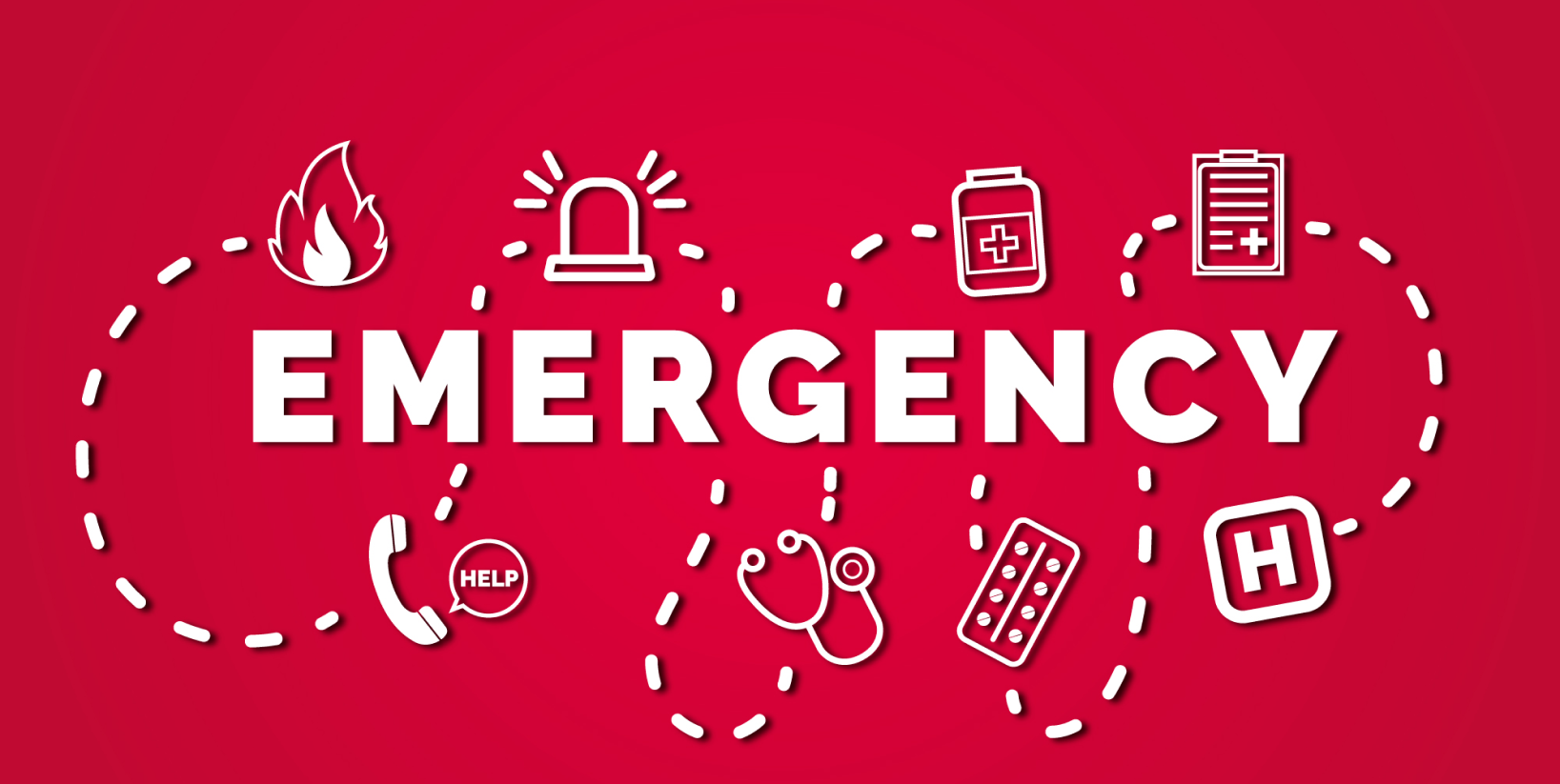
Emergency & Critical Care: Building Faster Response Systems
Emergency and critical care services are among the most time-sensitive components of healthcare, where every second can determine the outcome for a patient. Traditional emergency systems often face delays due to lack of coordination, limited access to patient history, and inefficient communication between hospitals and response teams. These challenges can significantly impact survival rates and recovery outcomes, especially in life-threatening situations such as heart attacks, trauma, or strokes. As healthcare systems evolve, there is a growing need to build faster, more connected emergency response frameworks that reduce delays and improve efficiency. Modern healthcare platforms aim to address these gaps by integrating technology, data, and communication into a unified system that supports rapid decision-making.
DiamondMedicalCare enhances emergency care by connecting patient data, diagnostics, and healthcare providers in real time through a global digital ecosystem. This allows emergency teams to access critical medical information instantly, enabling faster and more accurate interventions. Patients benefit from quicker response times and better coordination between different levels of care, from ambulance services to specialized hospitals. By integrating emergency care into a connected healthcare network, the system ensures that patients receive timely and appropriate treatment regardless of their location. This approach transforms emergency response into a streamlined and efficient process that prioritizes speed, accuracy, and patient safety.
Rapid Response and Real-Time Coordination
A key factor in effective emergency care is the ability to respond quickly and coordinate efficiently across multiple teams and locations. Traditional systems often rely on manual communication and fragmented information, which can lead to delays and miscommunication. Modern emergency care systems leverage digital platforms to enable real-time communication between ambulance teams, hospitals, and specialists. This ensures that all stakeholders have access to the same information and can act quickly based on accurate data. Real-time coordination reduces response times and improves the overall efficiency of emergency services.
With integrated systems, emergency responders can prepare in advance by accessing patient data before arrival at the hospital. This includes medical history, allergies, and ongoing treatments, which are critical for making informed decisions during emergencies. Hospitals can also allocate resources more effectively, ensuring that the necessary equipment and specialists are ready when the patient arrives. This level of preparedness significantly improves patient outcomes and reduces the risk of complications. By enabling seamless communication and coordination, digital healthcare systems enhance the effectiveness of emergency care services.

In emergency care, speed and coordination are the difference between life and loss.
Integration of Critical Patient Data
Access to accurate and complete patient data is essential in emergency situations, where decisions must be made quickly and with confidence. In many cases, patients are unable to provide their medical history due to the severity of their condition. This makes it crucial for healthcare providers to have instant access to digital health records that contain essential information such as past illnesses, medications, and allergies. Integrated healthcare systems ensure that this data is readily available, enabling doctors to make informed decisions without delay.
Digital platforms like DiamondMedicalCare provide a centralized repository for patient data, ensuring that it can be accessed securely from anywhere in the world. This eliminates the need for manual record transfers and reduces the risk of errors caused by incomplete information. By integrating patient data into emergency workflows, healthcare providers can deliver more accurate and effective care. This not only improves patient outcomes but also enhances the overall efficiency of emergency services.
Advanced Emergency Technologies
Technological advancements are playing a significant role in improving emergency and critical care services. Tools such as AI-driven triage systems, real-time monitoring devices, and connected ambulance networks enable faster assessment and response. These technologies help prioritize patients based on the severity of their condition, ensuring that critical cases receive immediate attention. Real-time monitoring allows healthcare providers to track vital signs and make adjustments to treatment as needed, even before the patient reaches the hospital.
In addition to improving response times, these technologies enhance the accuracy of medical interventions. AI systems can analyze patient data and provide recommendations, supporting doctors in making critical decisions under pressure. Connected healthcare networks ensure that all relevant information is shared seamlessly between different teams, reducing delays and improving coordination. By leveraging advanced technologies, emergency care systems can deliver faster, smarter, and more effective treatment.
Conclusion
Emergency and critical care systems are evolving to meet the demands of modern healthcare, focusing on speed, accuracy, and coordination. By integrating digital technologies and real-time data access, healthcare providers can respond more effectively to life-threatening situations. This transformation is essential for improving patient outcomes and reducing mortality rates in emergencies.
DiamondMedicalCare supports this evolution by creating a unified healthcare ecosystem that connects emergency services, hospitals, and patient data into one seamless platform. As healthcare continues to advance, such systems will play a crucial role in ensuring that emergency care is not only faster but also more reliable and accessible worldwide.
Leave a Reply