

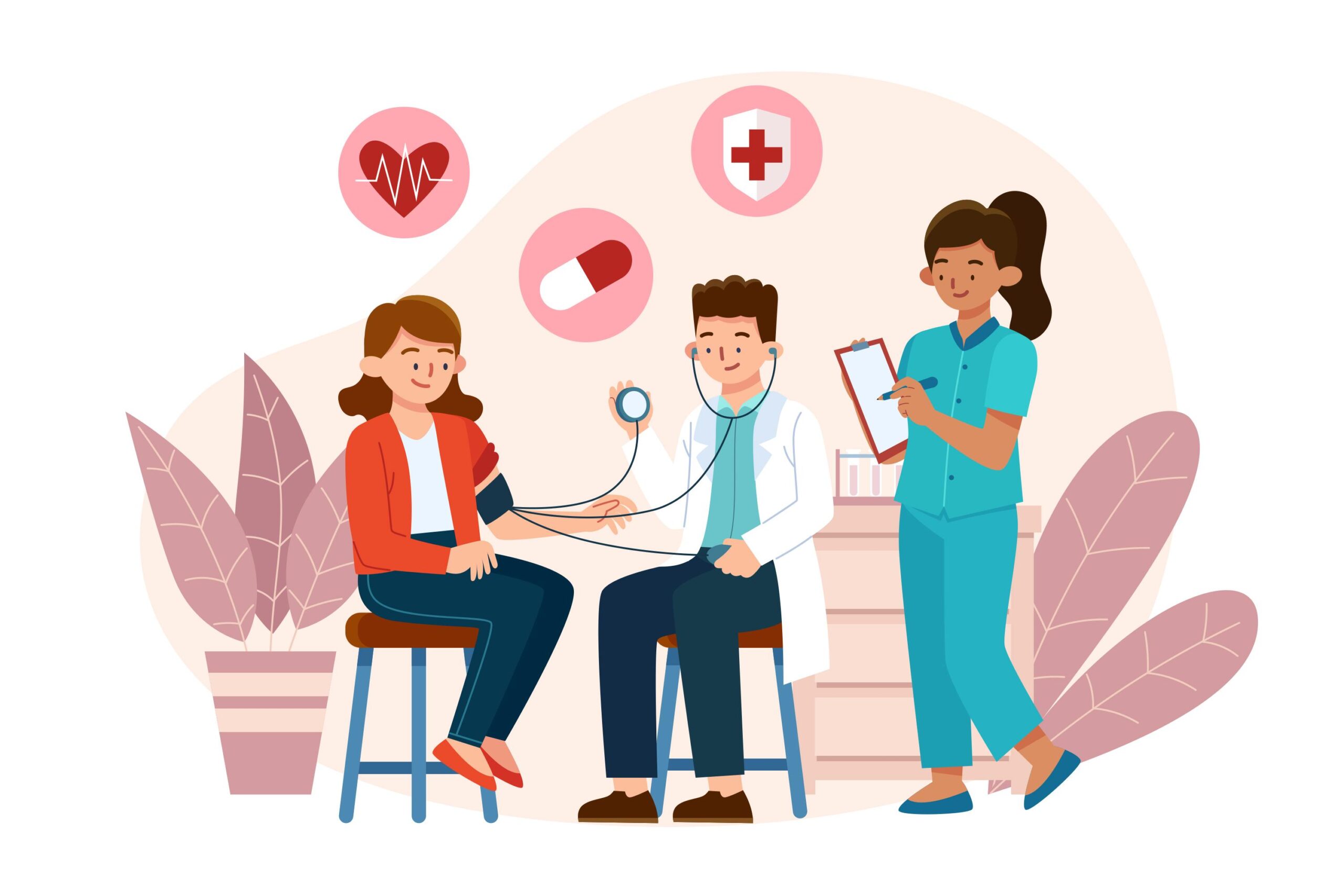
Preventive Healthcare: The Shift from Treatment to Early Detection
Preventive healthcare is transforming the way medical systems approach patient well-being by focusing on early detection rather than reactive treatment. Traditional healthcare models often prioritize treating diseases after symptoms appear, which can lead to higher costs and more complex interventions. Preventive healthcare aims to identify risks and conditions at an early stage, allowing for timely intervention and better outcomes. This approach reduces the burden on healthcare systems while improving the overall quality of life for patients. As awareness grows, preventive care is becoming a central pillar of modern healthcare strategies worldwide.
In a connected healthcare ecosystem like DiamondMedicalCare, preventive healthcare is strengthened through continuous monitoring, integrated diagnostics, and global access to medical expertise. Patients can undergo routine screenings and track their health data over time, creating a comprehensive view of their well-being. This enables healthcare providers to detect patterns, identify potential risks, and recommend proactive measures. By combining technology with medical expertise, preventive healthcare becomes more effective and accessible. This shift not only improves individual health outcomes but also contributes to a more sustainable healthcare system.
Importance of Early Detection
Early detection plays a crucial role in managing and treating diseases effectively, especially for conditions such as cancer, cardiovascular diseases, and diabetes. Identifying health issues at an early stage allows for less invasive treatments and significantly increases the chances of recovery. Regular health screenings and diagnostic tests help in monitoring key health indicators and detecting abnormalities before they become severe. This proactive approach reduces complications and improves long-term health outcomes. Early detection also empowers patients to take control of their health by making informed lifestyle and treatment decisions.
With advanced diagnostic technologies and data integration, early detection is becoming more accurate and efficient. Digital health platforms enable patients to store and track their test results over time, providing valuable insights into their health trends. Healthcare providers can analyze this data to identify potential risks and recommend preventive measures. This continuous monitoring ensures that any changes in health conditions are addressed promptly. By prioritizing early detection, healthcare systems can significantly reduce mortality rates and improve patient care.

Prevention is not just better than cure, it is the foundation of a healthier and longer life.
Role of Lifestyle and Health Monitoring
Lifestyle plays a significant role in determining overall health and the risk of developing chronic diseases. Factors such as diet, physical activity, stress levels, and sleep patterns directly impact long-term well-being. Preventive healthcare emphasizes the importance of maintaining a healthy lifestyle to reduce these risks. Regular monitoring of health metrics, including blood pressure, glucose levels, and body weight, helps individuals stay informed about their condition. This awareness encourages proactive behavior and timely interventions.
Technology has made health monitoring more accessible through wearable devices and mobile health applications. These tools provide real-time data and insights, enabling individuals to track their health continuously. Healthcare providers can use this data to offer personalized recommendations and preventive strategies. This integration of lifestyle monitoring with medical care creates a holistic approach to health management. It ensures that preventive measures are tailored to individual needs, leading to better outcomes.
Reducing Healthcare Costs and Burden
Preventive healthcare has a significant impact on reducing overall healthcare costs by minimizing the need for expensive treatments and hospitalizations. Early detection and timely intervention prevent diseases from progressing to advanced stages, which are often more difficult and costly to treat. This not only benefits patients but also reduces the financial strain on healthcare systems. By focusing on prevention, resources can be allocated more efficiently to critical areas of care.
Healthcare providers and governments are increasingly recognizing the value of preventive care in improving public health outcomes. Investments in screening programs, awareness campaigns, and digital health platforms contribute to a more proactive healthcare model. This approach ensures that medical resources are used effectively while improving accessibility to essential services. As preventive healthcare becomes more widespread, it will play a key role in creating a sustainable and efficient healthcare system.
Conclusion
Preventive healthcare represents a fundamental shift in how medical care is delivered, moving from reactive treatment to proactive health management. By focusing on early detection, lifestyle improvements, and continuous monitoring, it enhances both individual and public health outcomes. This approach reduces the burden on healthcare systems and ensures better utilization of resources.
DiamondMedicalCare integrates preventive healthcare into its global ecosystem by combining diagnostics, digital records, and expert consultations. This enables patients to take control of their health while receiving continuous support from healthcare professionals. As the world moves toward more connected and data-driven healthcare systems, preventive care will remain a cornerstone of a healthier future.

Leave a Reply