

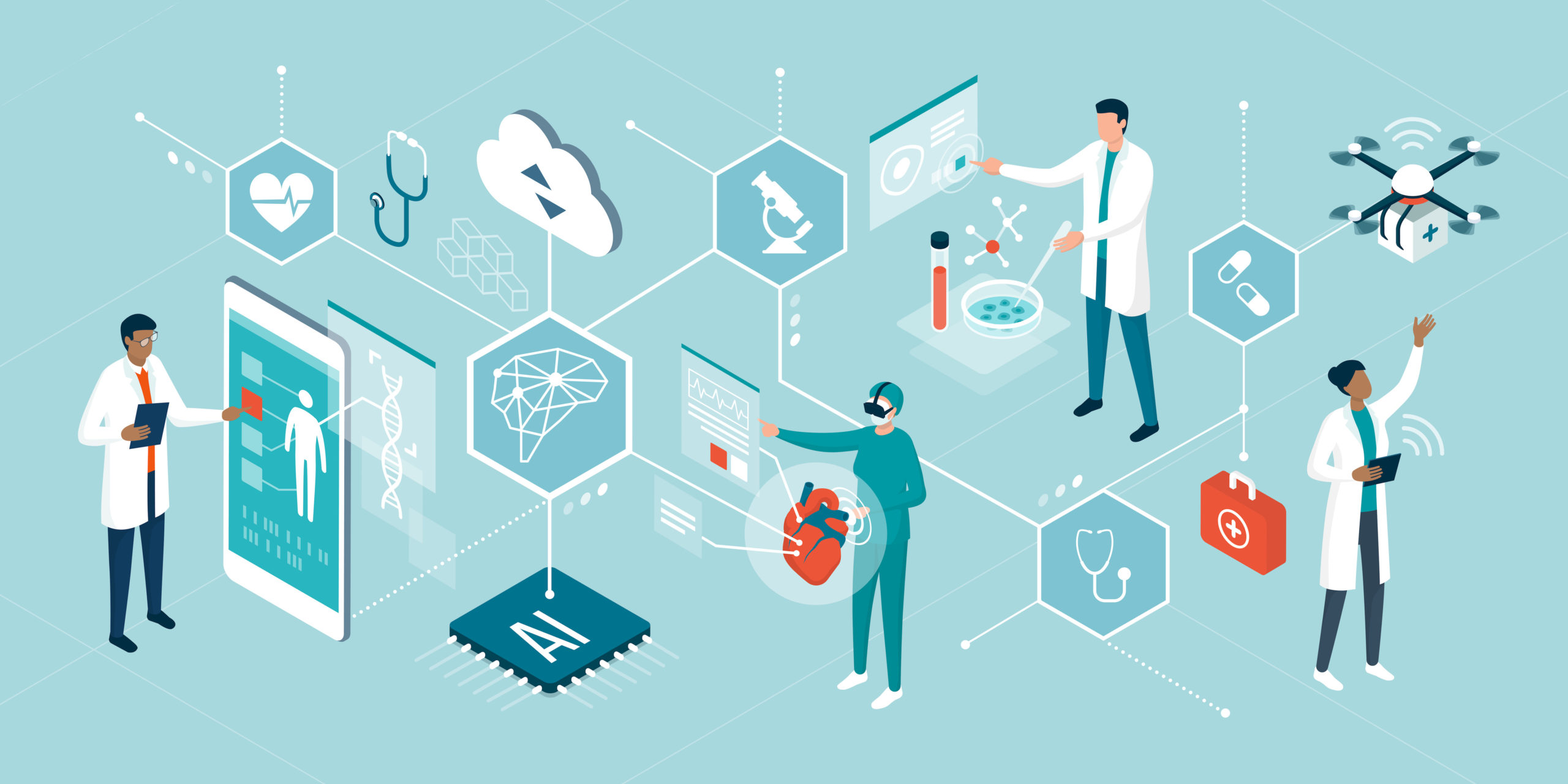
The Future of Global Healthcare: A Unified Digital Ecosystem
Healthcare systems across the world remain fragmented, creating challenges in delivering consistent and reliable care. Patients often struggle to manage their medical records across multiple hospitals, diagnostic centers, and regions, leading to delays and inefficiencies. This fragmentation affects diagnosis accuracy and continuity of treatment, especially when patients move between locations. As global mobility increases, the need for a connected healthcare system becomes essential. A unified digital ecosystem can bridge these gaps by ensuring that medical data, consultations, and treatments are seamlessly connected across borders.
DiamondMedicalCare introduces a globally connected healthcare platform that integrates diagnostics, consultations, and medical records into one system. This allows patients to access their complete health information anytime and share it securely with doctors anywhere in the world. By connecting different parts of the healthcare system, it improves coordination and reduces inefficiencies. The result is faster decision-making, better treatment outcomes, and a smoother patient experience. This approach transforms healthcare from a fragmented system into a continuous and unified journey.
One Global Health Identity for Every Patient
A unified global health identity addresses one of the biggest gaps in modern healthcare. Patients often lose or duplicate records when switching doctors or traveling across regions. This leads to repeated tests, incomplete histories, and delays in care. A single digital health identity stores all medical data in one secure place, including reports, prescriptions, and consultations. It creates a continuous and structured medical history that evolves over time.
With this system, patients have full control over their data while allowing authorized doctors to access it when needed. This improves diagnosis accuracy and reduces duplication of medical procedures. It also ensures that critical information is available during emergencies, enabling faster response and better outcomes. Over time, this identity becomes a lifelong health record that supports consistent and informed medical care worldwide.
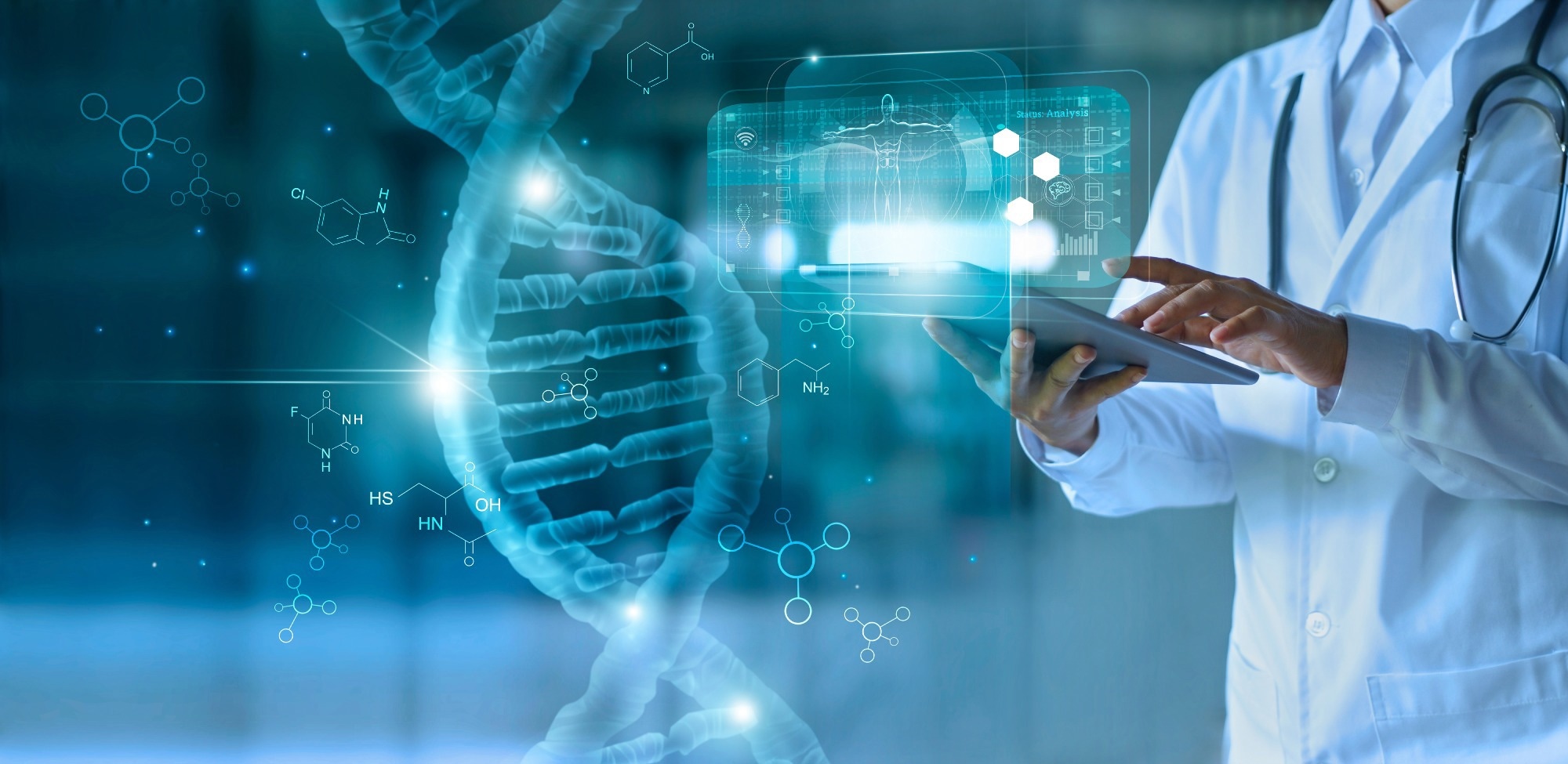
Healthcare becomes truly effective when medical data is connected, accessible, and controlled by the patient.
Global Telemedicine and Specialist Access
Access to specialized healthcare remains limited in many regions, making it difficult for patients to receive expert treatment. Telemedicine solves this challenge by enabling remote consultations with doctors from anywhere in the world. Patients can connect with specialists, seek second opinions, and receive guidance without traveling long distances. This improves accessibility and ensures that quality healthcare is not limited by geography.
Telemedicine also enables collaboration between doctors across countries, allowing them to share insights and improve treatment decisions. This is particularly valuable for complex medical cases that require expert input. By combining local treatment with global expertise, healthcare becomes more inclusive and efficient. This model enhances patient outcomes while reducing time and cost barriers.
Integrated Diagnostics and Data Connectivity
Diagnostics are essential for accurate treatment, yet they are often disconnected from consultations. Patients frequently carry reports manually, leading to delays and potential errors. An integrated healthcare system connects diagnostic labs directly to patient records, ensuring that results are instantly available to doctors. This eliminates the need for physical transfers and improves efficiency.
Standardized formats make it easier for doctors worldwide to interpret reports consistently. Real-time data sharing enables faster decisions and more accurate treatments. This integration creates a seamless link between diagnosis and care, improving overall healthcare delivery and reducing delays.
Continuous and Borderless Care
Traditional healthcare systems are limited by location, which disrupts care when patients travel or relocate. A global healthcare platform ensures that treatment plans and medical history remain accessible anywhere. This allows patients to continue their care without interruption, regardless of where they are.
Continuous access to medical data helps doctors make informed decisions quickly. This is especially important for chronic conditions and long-term treatments. By removing geographical barriers, healthcare becomes more flexible and patient-centered, ensuring consistent and reliable care worldwide.
Data Security and Patient Control
Protecting patient data is critical in digital healthcare systems. Medical information must remain secure while being accessible to authorized users. Advanced encryption and access control systems ensure that data is protected from unauthorized access while maintaining usability.
Patients retain full control over their data, deciding who can access it and when. This transparency builds trust and encourages adoption of digital healthcare platforms. Secure systems ensure compliance with global standards and support safe, scalable healthcare solutions.
Conclusion
The future of healthcare depends on connectivity, integration, and accessibility. By bringing together diagnostics, doctors, and medical records into one platform, digital ecosystems can transform healthcare delivery. This reduces fragmentation and improves efficiency across the system.
DiamondMedicalCare represents this transformation by enabling a unified and borderless healthcare experience. As technology advances, such platforms will play a key role in making healthcare more inclusive, reliable, and patient-focused across the world.
Leave a Reply